The short answer
- A cryptocurrency is digital money recorded on a blockchain, a shared public record that thousands of computers keep in sync, with no bank in the middle.
- Bitcoin was the first, launched in 2009 with a fixed supply of 21 million coins. Ethereum added programmable apps. Stablecoins like USDT track the US dollar.
- Prices swing sharply, and many tokens go to zero. Treat crypto as high risk.
- Whether you can buy it, and how it's taxed, depends on where you live. In India, gains are taxed at 30%. In the UAE, individuals pay no tax on gains.
Crypto has a reputation for jargon. Underneath it, the core idea is simple: a way to own and send money online without a bank keeping the records. This guide explains how that works, what the main types of crypto are for, and what to understand before you put any money in. If you're new, start here, then read our guides on wallets and scams.
The problem crypto tries to solve
When you send money through UPI or a bank transfer, your bank updates its records: your balance goes down, and the other person's goes up. You trust the bank to keep accurate records, process the payment, and not freeze your account.
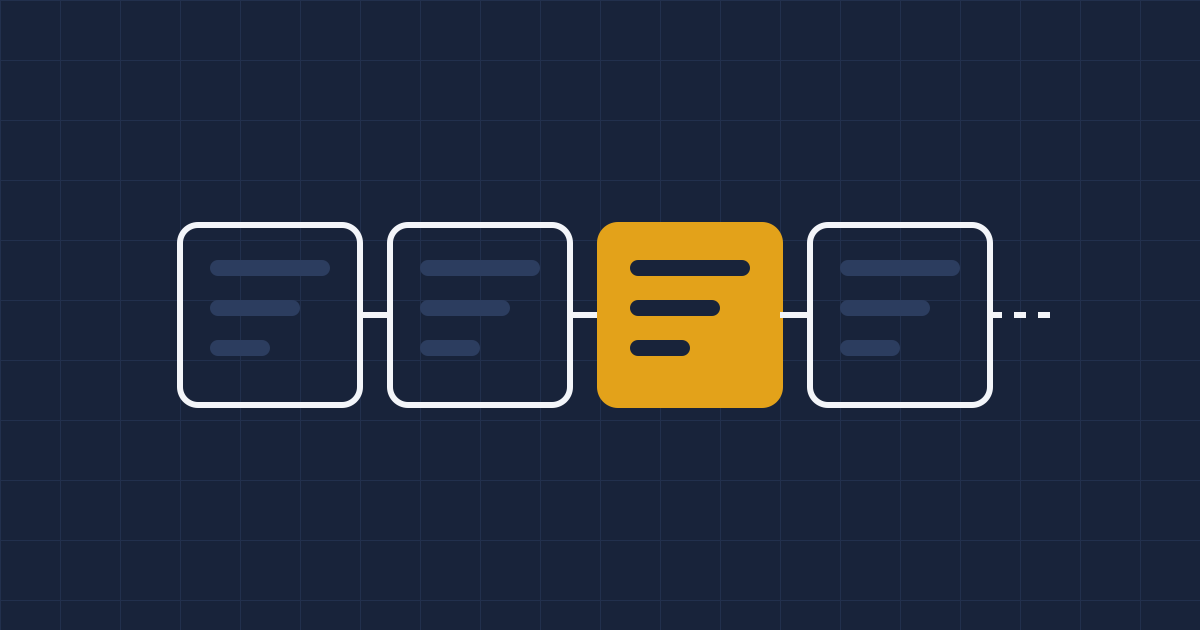
Crypto replaces that single record-keeper with a shared one. Instead of one bank's database, there's a blockchain, a record of every transaction that thousands of independent computers hold and check. No single company can quietly change it, block a payment, or print more coins outside the rules.
How a blockchain works
- You sign a transaction with your private key, a secret only you hold. This proves you own the coins you're sending.
- The transaction is broadcast to the network.
- Computers on the network check it. Do you actually own those coins? Have you already spent them?
- Valid transactions are grouped into a "block" and added to the chain. Each block links to the one before it, so changing an old transaction would mean redoing every block after it, across most of the network. In practice, that's impossible.
Different blockchains agree on new blocks in different ways. Bitcoin uses proof of work: computers compete to solve a puzzle, which uses a lot of electricity. Ethereum uses proof of stake: participants lock up coins as a guarantee they'll behave honestly.
The main types of crypto
| Type | Example | What it's for |
|---|---|---|
| Bitcoin | BTC | A scarce digital asset. Only 21 million will ever exist. Often compared to digital gold. |
| Smart-contract platforms | Ethereum (ETH), Solana (SOL) | Blockchains that run programs, used for apps, tokens, NFTs and decentralised finance |
| Stablecoins | USDT, USDC | Tokens designed to stay at $1, used to move dollars quickly and as a "parking spot" between trades |
| Exchange and utility tokens | BNB | Tied to a particular platform, for things like fee discounts |
| Meme coins | DOGE and thousands of others | Driven mostly by hype and community. Extremely volatile. |
There are tens of thousands of tokens. Most have little real use, and many end up worthless. Knowing a coin's name tells you nothing about whether it's safe.
Why the price moves so much
A crypto price is set entirely by what buyers and sellers will pay. There are no company profits underneath it the way there are with shares. Prices react to news, regulation, interest rates, big holders buying or selling, and pure sentiment. Bitcoin has fallen by more than 70% from a peak several times in its history, and smaller coins can fall 90% or more.
That's why the most common advice from experienced people is not about which coin to buy. It's to only put in what you could afford to lose completely.
What you actually own
When you "own" crypto, you hold the keys that can move it on the blockchain. If you buy on an exchange, the exchange holds those keys for you, and you're trusting it the way you'd trust a bank, without deposit insurance. If you move crypto to your own wallet, you hold the keys yourself. Our wallet guide explains the trade-offs.
Is crypto legal where you live?
- India: legal to buy, hold and sell. Gains are taxed at a flat 30% with 1% TDS, and exchanges must be registered with FIU-IND. See how to buy crypto in India and our India crypto tax guide.
- UAE: legal and licensed. In Dubai, VARA is the regulator, and individuals pay no tax on gains. See our UAE guide.
- Elsewhere: rules vary widely, so check your own country's regulator before you buy.
Before you buy anything
- Learn how scams work. Most losses come from fraud, not price falls. Read our scam guide first.
- Use a registered or licensed exchange in your country.
- Start small, and don't borrow to invest.
- Understand the tax before you sell, not after.
- Decide where you'll keep it: on an exchange, or in a wallet you control.
Not financial advice. This guide explains what crypto is and how it works. It doesn't recommend buying any cryptocurrency. Crypto is highly volatile, and you can lose all the money you put in.
Further reading: Bitcoin whitepaper (Satoshi Nakamoto, 2008); ethereum.org, What is Ethereum?